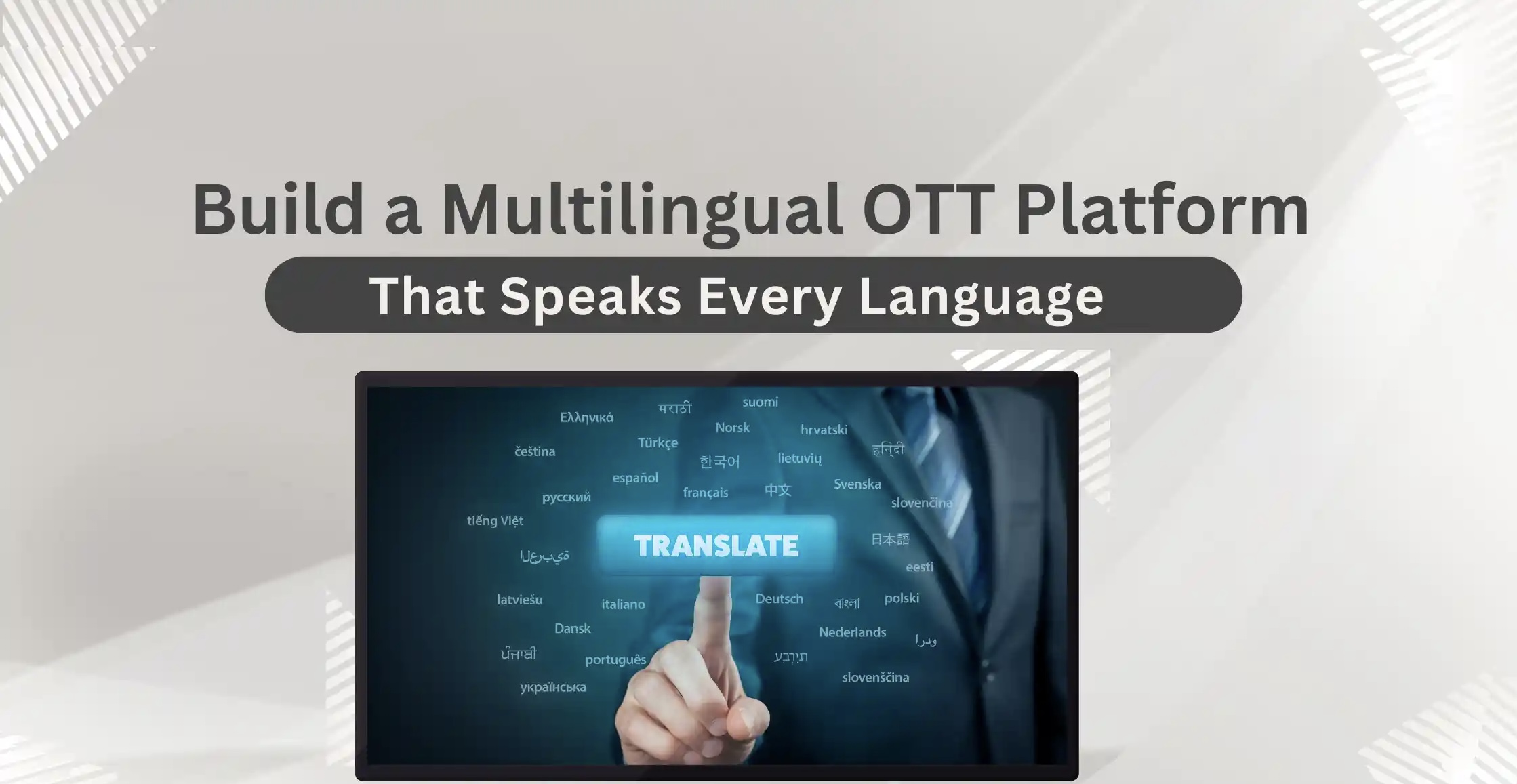
In today's global digital marketplace, businesses are no longer limited by geographical boundaries. Whether you're targeting customers in Europe, Asia, the Middle East, or Latin America, running multilingual PPC campaigns can significantly increase your reach and conversion potential. However, simply translating keywords and ad copy isn't enough. A translation-first approach ensures that every aspect of your paid advertising strategy resonates with local audiences.
Why Multilingual PPC Matters
Pay-Per-Click (PPC) advertising is one of the fastest ways to generate leads and drive traffic. But when businesses expand into international markets, language barriers can quickly reduce campaign performance. Ads written in a customer's native language tend to receive higher engagement, better click-through rates (CTR), and stronger conversion rates.
This is where professional translation services and localization expertise become critical. A well-translated ad doesn't just communicate a message—it creates a connection.
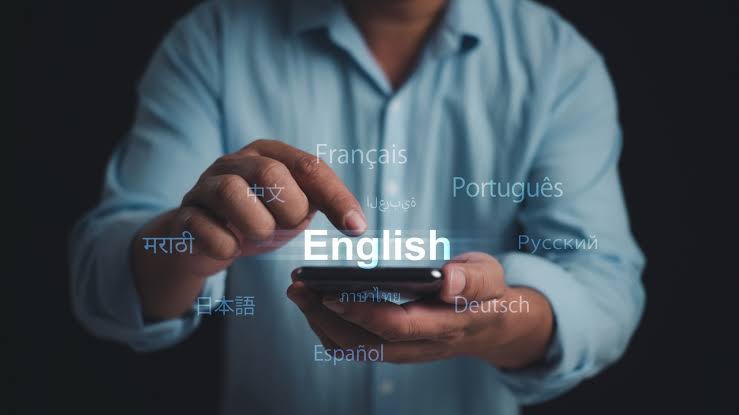
The Translation-First Strategy
Many businesses build their PPC campaigns in one language and then translate them as an afterthought. A translation-first strategy flips this process.
Instead of adapting ads later, brands begin by understanding local languages, cultural preferences, search intent, and regional terminology before launching campaigns. This approach helps ensure:
Accurate keyword translation
Culturally relevant messaging
Improved ad quality scores
Better user engagement
Higher return on ad spend (ROAS)
For example, a direct translation may technically be correct, but it might not match the phrases local users actually search for. Professional translators and localization specialists help bridge this gap.
The Role of Translation and Localization
Translation focuses on converting content from one language to another, while localization adapts the content to suit a specific market. Successful multilingual marketing requires both.
A comprehensive localization strategy includes:
Keyword Localization
Researching region-specific search terms rather than relying on literal translations.
Ad Copy Adaptation
Adjusting headlines, calls-to-action, and promotional messages to fit local cultural expectations.
Landing Page Translation
Ensuring that translated ads lead to fully localized landing pages for a seamless user experience.
Multilingual SEO Alignment
Using translated keywords consistently across ads and landing pages to improve relevance and quality scores.
Benefits of a Translation-First PPC Approach
Businesses that prioritize translation and localization often experience:
Increased international visibility
Better customer trust and credibility
Higher click-through and conversion rates
Reduced advertising waste
Stronger global brand presence
In competitive markets, even small language improvements can have a significant impact on campaign performance.
Conclusion
As businesses continue expanding globally, multilingual PPC campaigns are becoming a necessity rather than an option. By adopting a translation-first approach, brands can create more relevant, engaging, and high-performing advertisements for diverse audiences. Investing in professional translation, localization services, multilingual SEO, and language-specific keyword research ensures that your ads speak the language of your customers—and ultimately drive better results.
 Gaming Computer
1 × $940.00
Gaming Computer
1 × $940.00
 Smartphone Vivo
V9 1 × $899.00
Smartphone Vivo
V9 1 × $899.00 SanDisk Flash
Drive 1 × $756.00
SanDisk Flash
Drive 1 × $756.00 Smart Power Bank
1 × $723.00
Smart Power Bank
1 × $723.00
 Apple Smartwatch
1 × $1080.00
Apple Smartwatch
1 × $1080.00