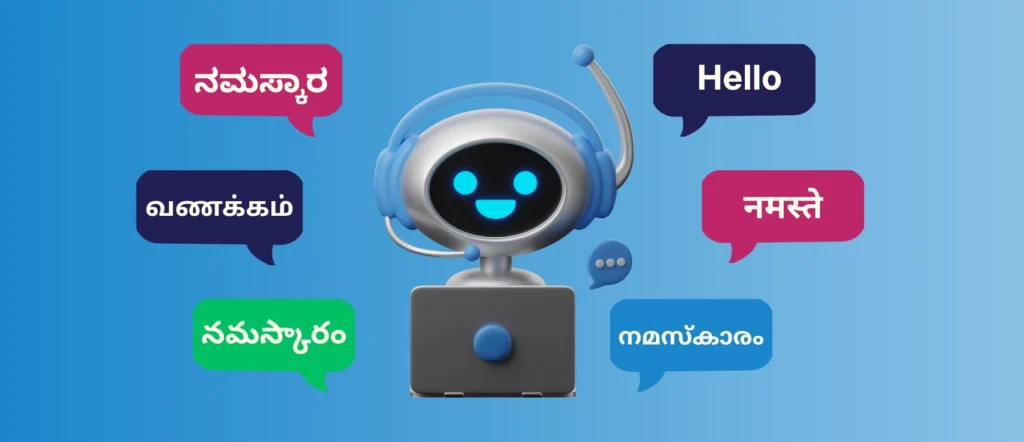
Ever wondered what happens behind the scenes of your favorite apps, websites, or games when they go global? That’s where a Localization Project Manager (LPM) steps in. In the fast-paced translation industry, no two days are exactly alike—but they all revolve around precision, communication, and a whole lot of coordination.
Morning: Planning and Project Kickoff
The day usually starts with coffee and a quick scan of emails. Clients from different time zones often send updates overnight, so the first task is prioritizing requests. A Localization Project Manager reviews new translation projects, checks deadlines, and assigns tasks to linguists, translators, and editors.
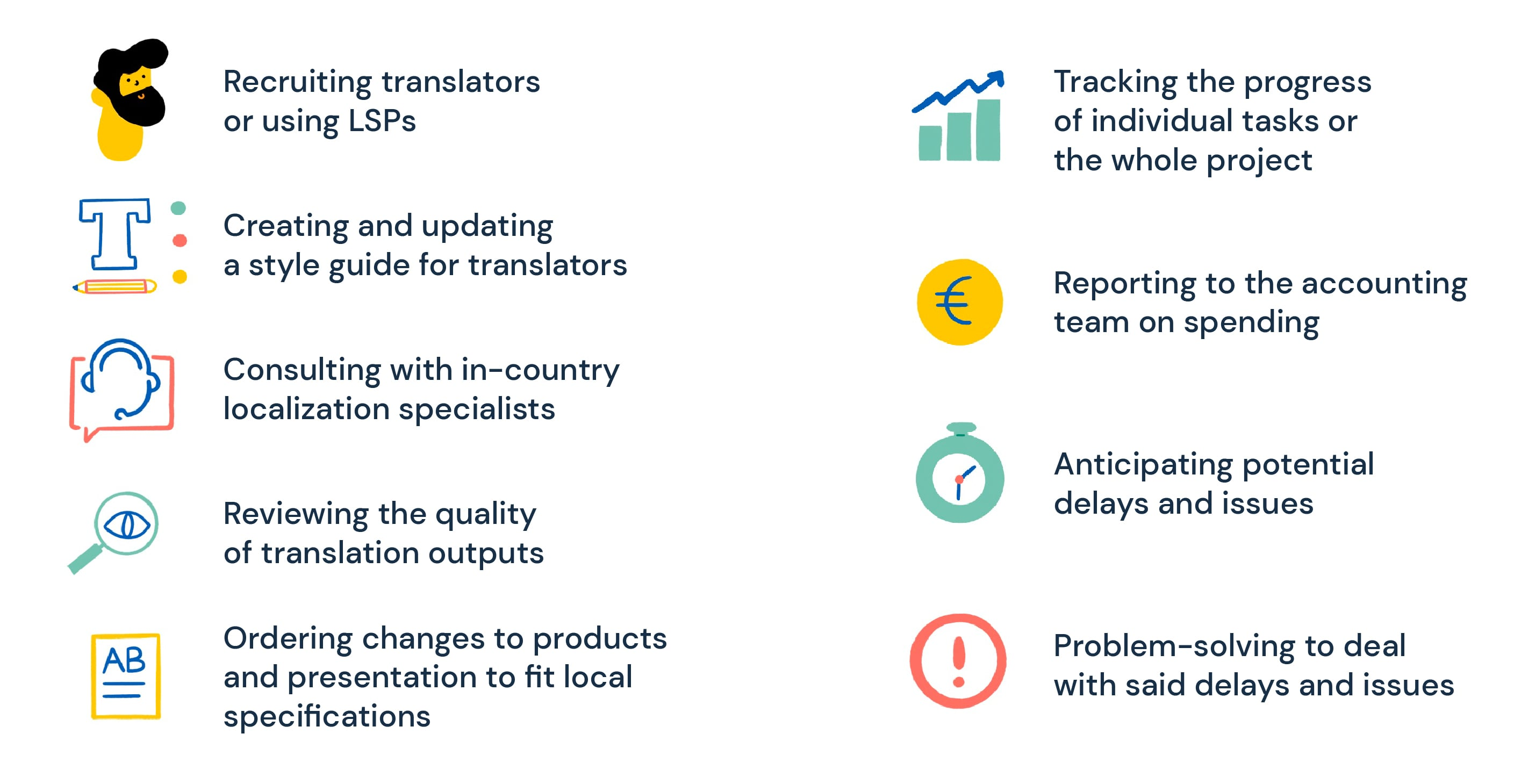
Next comes project setup. This involves preparing translation files, selecting the right CAT tools (Computer-Assisted Translation tools), and creating glossaries or translation memory (TM) resources. These steps ensure consistency across languages—something every global brand depends on.
Midday: Coordination and Communication
By midday, things are in full swing. The LPM becomes the central hub of communication between clients and the localization team. Questions pop up:
“Should we localize this phrase culturally?”
“Does this term stay in English?”
Handling these queries requires both linguistic awareness and cultural sensitivity. It’s not just about language translation—it’s about making content feel native to each audience.
At the same time, progress tracking is crucial. Using project management tools, the LPM monitors deadlines, checks translation quality, and ensures everything stays on schedule. If delays happen (and they often do), quick problem-solving is key.
Afternoon: Quality Assurance and Client Updates
Afternoons are often dedicated to quality assurance (QA). The Localization Project Manager reviews completed translations, runs automated QA checks, and ensures the final output meets client expectations.
Client communication also ramps up. Status reports, feedback loops, and sometimes last-minute changes keep things dynamic. A good LPM knows how to balance client satisfaction with realistic timelines.
End of Day: Wrapping Up and Preparing Ahead
Before logging off, the LPM reviews what’s been completed and prepares for the next day. New projects are lined up, resources are allocated, and documentation is updated.
It’s a role that blends translation management, technology, and human connection—all in one.
Final Thoughts
Being a Localization Project Manager in the translation and localization industry is both challenging and rewarding. It’s about bridging cultures, managing complexity, and ensuring that every word resonates globally. If you enjoy multitasking, communication, and working in a global environment, this career might just be your perfect fit.
 Gaming Computer
1 × $940.00
Gaming Computer
1 × $940.00
 Smartphone Vivo
V9 1 × $899.00
Smartphone Vivo
V9 1 × $899.00 SanDisk Flash
Drive 1 × $756.00
SanDisk Flash
Drive 1 × $756.00 Smart Power Bank
1 × $723.00
Smart Power Bank
1 × $723.00
 Apple Smartwatch
1 × $1080.00
Apple Smartwatch
1 × $1080.00